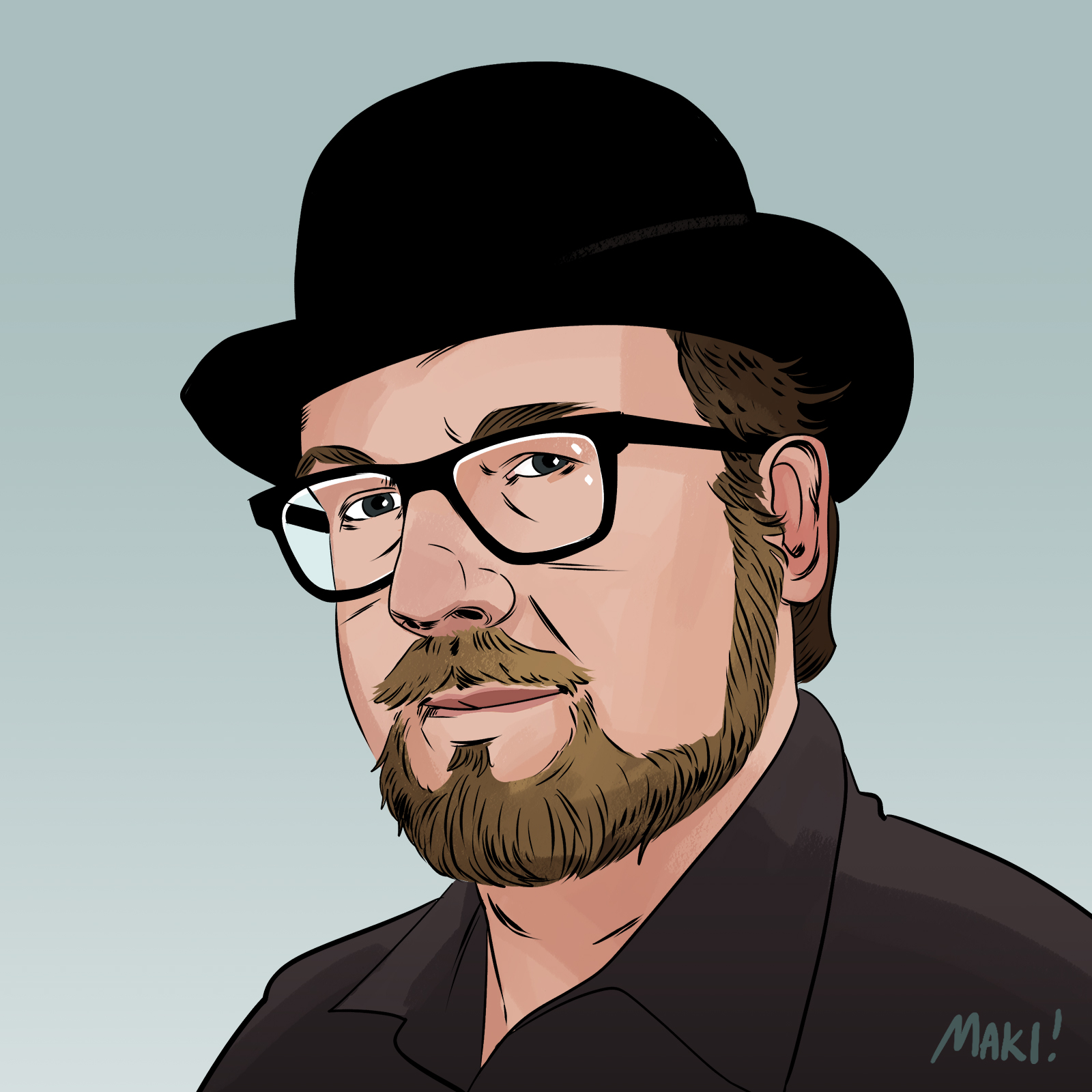
Just over two weeks ago, I went into the hospital in excruciating pain, and came out about a week and two surgeries later without my gallbladder, absolutely covered in bruises, incisions, and bandages. I’m back home and on the mend, but I’m still recovering and unable to do much work beyond thinking.
I’ll spare you any of my hospital-room reflections on mortality and the fragility of the human frame, mostly because with modern medicine I wasn’t in danger of dying. (However, I definitely would’ve died not that long ago in historical terms. The surgeon told me she’s seen worse, but not many. This was bad.)
Instead, this post is about a different type of mortality and fragility: that of online community and careers built around it. Let’s be blunt: things are really bad in social media spaces right now. Like, possibly irreparably bad. Since tech billionaire Elon Musk acquired Twitter (sorry, “X”), the network many of us relied on has become a cesspool of right-wing conspiracy and hate, where the priority is coddling the fragile ego of its narcissist-in-chief.
If you don’t want to read any further, you can skip to the end: I made a survey for people to tell me what kinds of stuff you want from me in the future as we lose what social networks we had. Please go fill it out! I don’t collect any information from it, so you can be honest.
I personally relied on Twitter for professional connections and keeping up with friends. It’s not even an exaggeration to say my career as a science writer was built on and around Twitter: it was a reliable way to connect with other writers, editors, and scientists to interview. However, it also was a way for news junkies like me to read stories that weren’t covered in many mainstream outlets.
More information was available through Twitter than any other source on the Arab Spring, the Ferguson, Missouri uprising, the even more widespread protests following the police murder of George Floyd in 2020, and many other events. Activists on Twitter helped me understand what police and prison abolition are about (as opposed to their caricatured strawman versions), and educated me on issues like trans liberation and the kinds of ableism that too many of us engage in without thinking about.
Twitter was never perfect, of course: it took the previous management far too long to ban some of the most notorious Nazis and white supremacists from the platform…and then of course Musk reinstated them. Harassment, bullying, and scams have always been a problem, with those in charge often seeming clueless about how the network actually operates.
The real value of Twitter or any social network is the social part. We are none of us one-dimensional: we each of us sit at the intersection of multiple overlapping multidimensional bubbles of interests and needs. A big sprawling messy community like Twitter allows people to find others who share one or more of those interests, whether it’s physics or jazz or early 20th-century newspaper comics about genderfluid cats or whatever. Meanwhile, no other social media network is quite ready to take up Twitter’s reins. Bluesky, my favorite so far, has serious trust and safety issues even as it has let in a lot of users. Mastodon has a lot of promise, but (like the Linux community I’m also marginally part of) can be very offputting to outsiders. These problems aren’t insurmountable, but they require leadership to listen to experts on how to make and keep safe communities online.
In any case, I’m still in the “anger” stage of grief about Twitter, but I hope you’ll fill out my survey and let me know how I can keep in touch as the social media ecosystem collapses. I hope to have some new options set up within the next week or two (which would’ve happened earlier if it not for, y’know, that two surgeries thing), but keep an eye on my social media page for more.
 Galileo's Pendulum